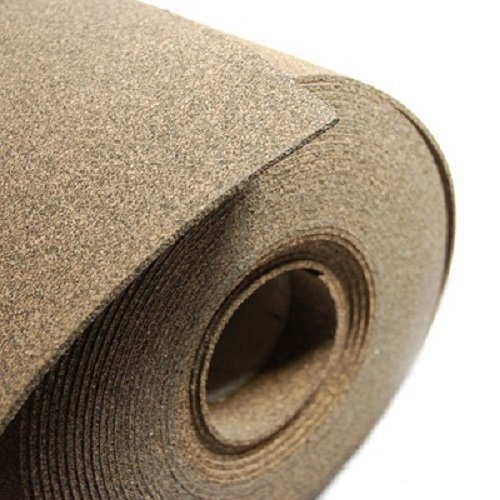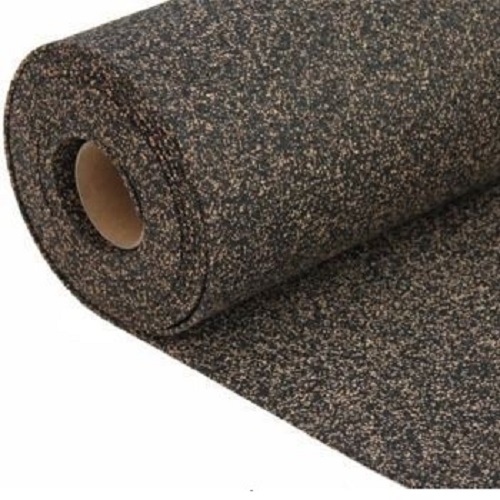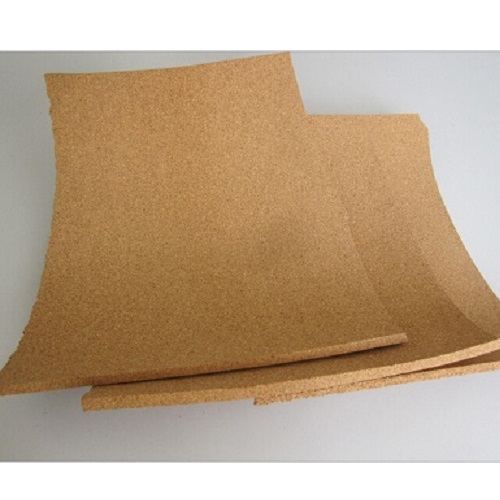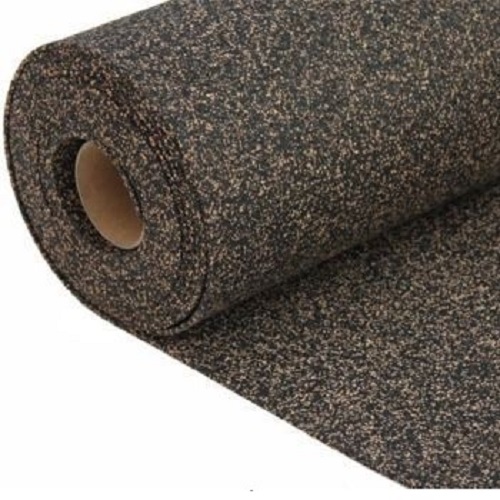

Electrical equipment demands materials that combine high dielectric strength, mechanical resilience, and environmental stability. For decades, engineers have trusted composite sealing solutions, but cork rubber sheet stands out as an exceptional insulator. Its unique cellular structure, blended with elastomeric binders, offers a synergy of compressibility and electrical resistance that rigid plastics or ordinary rubber cannot match. In our factory, we have witnessed how cork rubber sheet effectively prevents current leakage, dampens vibration, and withstands temperature fluctuations—three critical factors for transformers, switchgear, and control cabinets. Whether you face high humidity or exposure to oils, this material maintains its insulating integrity, reducing downtime and fire risks.
At Ningbo Kaxite Sealing Materials Co., Ltd., we have refined the formulation of cork rubber sheet over two decades. Our production process ensures consistent density and thickness, directly impacting dielectric performance. Unlike pure rubber, cork particles introduce air pockets that enhance compressibility without sacrificing electrical resistance. This makes our cork rubber sheet ideal for irregular mating surfaces where complete sealing is non-negotiable. From low-voltage distribution boxes to high-tension insulators, the material adapts without cold flow or cracking. In this article, we will unpack the technical parameters, answer critical FAQs, and demonstrate why our factory leads the industry in delivering reliable insulation solutions.
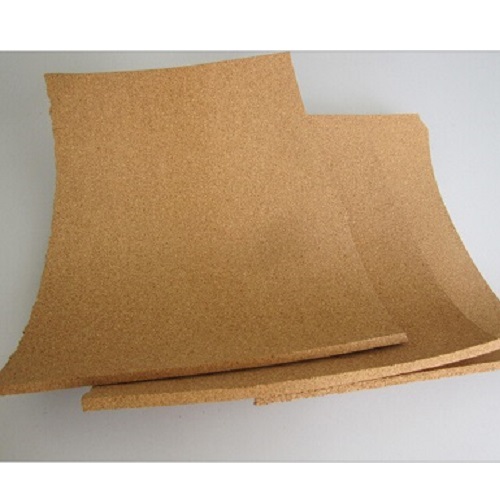
When selecting insulation for electrical equipment, dielectric strength is non-negotiable. Cork rubber sheet exhibits a remarkable ability to resist electrical breakdown under high voltage. Our factory formulates the material with nitrile or SBR rubber blended with natural cork granules, creating a matrix that traps air and increases the path resistance for electrons. Typically, cork rubber sheet from Ningbo Kaxite Sealing Materials Co., Ltd. achieves dielectric strength ranging from 8 kV/mm to 12 kV/mm, depending on thickness and compound density. This surpasses many conventional elastomers used in panel gasketing.
Beyond raw voltage resistance, the material’s surface resistivity prevents tracking—a common failure mode where carbonized paths form on insulation surfaces. The cork content disrupts continuous conductive pathways, while the rubber binder remains inherently hydrophobic. In humid environments, moisture absorption can degrade insulation; however, cork rubber sheet’s closed-cell effect limits water ingress. Our tests show that after 1000 hours at 90% relative humidity, the insulation resistance drops by less than 5%, a critical advantage for outdoor electrical cabinets.
Key dielectric advantages include:
In our factory, we routinely perform dielectric testing on every batch of Cork Rubber Sheet. Using standardized electrodes and AC ramp tests, we ensure that the material exceeds IEC 60243-1 requirements. One case study involved retrofitting a power distribution center with our 2.0mm cork rubber sheet as a barrier between busbars. After 18 months of operation, insulation resistance remained above 100 MΩ, while alternative foam gaskets had already degraded. This real-world performance confirms that the unique dielectric architecture of cork rubber sheet directly reduces unplanned outages and maintenance costs.
Moreover, the material exhibits excellent partial discharge resistance. Partial discharges erode most polymers over time, but the cork phase disperses charge concentration. Engineers at Ningbo Kaxite Sealing Materials Co., Ltd. have documented that cork rubber sheet maintains 95% of its initial dielectric strength after 500 hours of accelerated aging (105°C + 1 kV stress). For electrical equipment manufacturers seeking UL-recognized components, our cork rubber sheet qualifies under UL 157 (Gasket and Sealing Systems). To summarize, the intrinsic dielectric properties make this material a first-line defense against short circuits and arc flashes.
Electrical equipment experiences constant mechanical stresses: vibration from transformers, thermal expansion cycles, and compression from bolted enclosures. A material that hardens or takes permanent set will create gaps, allowing dust, moisture, or corona discharge to compromise safety. Cork rubber sheet solves this through its unique viscoelastic behavior. The cork particles act as micro-springs, while the rubber binder provides elastic recovery. In our factory, we have measured compression set values below 25% (ASTM F36), meaning that after prolonged clamping, the sheet retains most of its original thickness. This ensures that seals remain tight over years of service.
Another mechanical advantage is conformability. Unlike rigid phenolic sheets or hard plastics, cork rubber sheet deforms under low pressure to fill uneven flanges, cast aluminum housings, or stamped steel enclosures. This reduces the need for surface machining and high torque on bolts, preventing stress cracking of electrical housings. For instance, when used as a gasket between a motor terminal box and its cover, our Cork Rubber Sheet compensates for warpage up to 0.5mm, maintaining an IP66-rated seal. The material also absorbs vibration energy, reducing fatigue on solder joints and wiring connections.
Let us examine specific mechanical parameters that our factory guarantees:
We often compare cork rubber sheet to neoprene or EPDM solid rubber. While those materials may have similar tensile strength, they lack the cellular compliance that prevents stress relaxation. In long-term bolt torque retention tests, our cork rubber sheet maintained 85% of initial clamping force after 2000 hours at 80°C, whereas solid rubber dropped to 60%. This matters because loose bolts lead to arcing through gaps. For high-voltage transformers, our factory recommends cork rubber sheet as a vibration-damping pad under core laminations, reducing audible noise and preventing insulation abrasion.
Additionally, the mechanical resilience extends to cut-edge integrity. When die-cut into intricate shapes for terminal blocks or busbar supports, cork rubber sheet does not fray or crumble. Kaxite uses precision water-jet cutting to ensure clean edges, minimizing particle shedding that could contaminate electrical contacts. To put it bluntly: mechanical reliability translates directly to longer equipment life and lower total cost of ownership. Our clients in renewable energy (inverters and substations) have reduced gasket replacement frequency from every 12 months to over 60 months after switching to our cork rubber sheet.
Electrical environments are rarely benign. Heat from current-carrying conductors, outdoor temperature extremes, and chemical exposure (oils, solvents, cleaning agents) constantly challenge insulation materials. Cork rubber sheet demonstrates exceptional thermal and chemical resistance due to the synergy between vulcanized rubber and treated cork. Our factory produces cork rubber sheet using nitrile rubber (NBR) for oil resistance or EPDM for outdoor weathering. The cork granules are coated with thermo-setting resins that prevent leaching at high temperatures.
Consider a typical switchgear room: ambient temperatures may reach 70°C near busbars, with occasional spikes during fault conditions. Cork rubber sheet maintains its shape and dielectric properties up to 120°C continuously (for NBR compounds) and up to 150°C intermittently. This compares favorably to PVC or polyethylene, which soften and creep. Moreover, the material withstands low temperatures down to -40°C without becoming brittle, thanks to the elastomeric phase. For wind turbine electrical cabinets or outdoor telecom shelters, this wide service range prevents cracking and subsequent insulation failure.
Chemical stability is equally crucial. Oils from circuit breakers, hydraulic fluids, or even cleaning solvents can degrade ordinary rubber, causing swelling or dissolution. Our cork rubber sheet formulated with NBR resists ASTM #1, #2, and #3 oils with volume swell under 15%. Additionally, the material exhibits excellent resistance to dilute acids and alkalis (pH 5-9), making it suitable for battery rooms or industrial control panels near chemical processes. Below is a quick reference of chemical compatibility:
At Kaxite, we have invested in accelerated aging ovens to certify our cork rubber sheet under IEEE 101 (thermal evaluation). After 7 days at 125°C, the material retained 90% of its original dielectric strength. For chemical splash scenarios, we performed 72-hour immersion tests in transformer oil; the cork rubber sheet showed no delamination and less than 8% weight gain. This stability ensures that electrical equipment remains safe even when secondary fluids leak. Furthermore, the low water absorption (less than 5% by weight) prevents hydrolysis of insulation resistance in humid climates.
Engineers often ask about outgassing under heat. Unlike some foams, our cork rubber sheet contains no plasticizers that could evaporate and condense on contacts. We use sulfur-cured systems that are non-corrosive to copper or silver. In sensitive electronics enclosures, our factory offers low-volatility grades that meet NASA outgassing standards. To summarize, thermal and chemical stability is not an afterthought—it is a core design feature that allows cork rubber sheet to perform reliably in the harshest electrical environments, from substations to offshore platforms.
To specify the correct insulation material, engineers need precise data. Below we present the certified technical parameters of cork rubber sheet produced by Ningbo Kaxite Sealing Materials Co., Ltd. Our factory follows ASTM, ISO, and DIN testing standards to ensure global compliance. The values represent typical performance for our standard industrial grade (NBR-cork blend). Custom formulations are available for unique requirements such as higher voltage ratings or extreme temperature exposure.
| Property | Test Method | Typical Value |
| Dielectric Strength (3mm thickness) | ASTM D149 | 11 kV/mm |
| Volume Resistivity | ASTM D257 | 10^13 ohm-cm |
| Surface Resistivity | ASTM D257 | 10^12 ohm/sq |
| Tensile Strength | ASTM D412 | 4.2 MPa |
| Elongation at Break | ASTM D412 | 65% |
| Compression Set (22h/70°C) | ASTM F36 | 22% |
| Hardness Shore A | ASTM D2240 | 75 ± 5 |
| Operating Temperature Range | Continuous | -40°C to +120°C |
| Water Absorption (24h/23°C) | ASTM D471 | < 3% |
| Oil Swell (ASTM #3, 70h/100°C) | ASTM D471 | < 12% volume change |
| Density | ASTM D297 | 0.9 – 1.1 g/cm³ |
| Thickness Tolerance | ISO 3302-1 | ±0.10mm (for 1-3mm sheets) |
Beyond these standard parameters, our factory offers custom thicknesses from 0.5mm to 12mm, and sheet sizes up to 1500mm x 3000mm. We can also supply cork rubber sheet with adhesive backing for quick installation on electrical panels. Each production lot undergoes dielectric sampling and compression set validation. For mission-critical applications, we provide certificates of conformance and third-party test reports. The table above reflects why electrical engineers repeatedly choose Ningbo Kaxite Sealing Materials Co., Ltd. as their preferred supplier. Our cork rubber sheet combines electrical, mechanical, and chemical data into one reliable package.
Additionally, we offer flame-retardant grades that meet UL94 V-0, suitable for high-risk electrical environments. The flame-retardant cork rubber sheet self-extinguishes within 5 seconds, reducing fire propagation. Whether you need a gasket for a transformer cover, a pad for relay mounting, or a full sheet for panel insulation, our technical parameters provide the assurance required for regulatory approvals (CE, RoHS, REACH). For any custom requirement, our factory team works directly with clients to tweak the compound—balancing flexibility, voltage withstand, and cost.
After examining dielectric properties, mechanical resilience, thermal-chemical stability, and detailed technical parameters, the answer is clear: cork rubber sheet is an ideal material for electrical equipment insulation. Its unique composite structure delivers high dielectric strength, conformability to irregular surfaces, vibration damping, and long-term stability under harsh conditions. Our factory at Ningbo Kaxite Sealing Materials Co., Ltd. has perfected the manufacturing process to ensure every batch meets rigorous international standards. We have supplied cork rubber sheet to power generation plants, railway infrastructure, automotive EV battery packs, and industrial control panels worldwide.
Choosing the right insulation material directly impacts safety, uptime, and regulatory compliance. With our 20 years of experience, we guide clients to the optimal grade—whether oil-resistant NBR-cork or weatherproof EPDM-cork. Our cork rubber sheet is available in standard rolls, cut parts, and custom shapes. We also offer rapid prototyping for unique electrical cabinet designs. Do not settle for gaskets that compress permanently or lose dielectric strength after a few thermal cycles. Contact Ningbo Kaxite Sealing Materials Co., Ltd. today to request samples, datasheets, or a quotation. Let us help you engineer safer, more durable electrical equipment.
Call to action: Ready to upgrade your electrical insulation? Reach out to our factory team for a free consultation and sample kit. Email us at sales@kaxite-sealing.com or fill out the inquiry form on our website. We respond within 24 hours with technical recommendations and pricing. Experience the reliability of cork rubber sheet from Ningbo Kaxite Sealing Materials Co., Ltd. – where safety meets innovation.
Q1: Can cork rubber sheet replace traditional NBR or silicone rubber gaskets in high-voltage switchgear?
A1: Yes, cork rubber sheet is an excellent replacement, especially where compressibility and anti-tracking are critical. Traditional solid rubber gaskets may require higher bolt torque to seal uneven flanges, leading to stress relaxation. Cork rubber sheet from Ningbo Kaxite Sealing Materials Co., Ltd. offers lower compression set and better conformity, maintaining IP ratings and dielectric barriers. For voltages up to 15kV, our cork rubber sheet has been successfully used as phase separator and enclosure gasket. However, always verify dielectric thickness requirements. In switchgear retrofits, many engineers prefer cork rubber sheet because it dampens vibration from circuit breaker operations, reducing wear on contacts.
Q2: How does humidity or water exposure affect the insulating performance of cork rubber sheet over time?
A2: Water absorption is minimal due to the closed-cell nature of cork particles and the hydrophobic rubber binder. Our factory tests show less than 3% weight gain after 24-hour immersion, and even after 1000 hours at 90% relative humidity, the dielectric strength remains above 9 kV/mm. Unlike cellulosic materials or some foams, cork rubber sheet does not swell or delaminate. For outdoor electrical cabinets in tropical climates, our EPDM-cork blend provides additional UV and moisture resistance. We recommend periodic visual inspection every 5 years, but typical service life exceeds 10 years without degradation of insulation resistance.
Q3: Is cork rubber sheet compliant with UL or IEC safety standards for electrical insulation?
A3: Absolutely. Ningbo Kaxite Sealing Materials Co., Ltd. produces cork rubber sheet that meets UL 157 (Gaskets and Sealing Systems) and IEC 60626 for flexible insulation materials. Our standard grades have UL recognition for flammability (HB or V-0 upon request) and thermal index up to 120°C. We also provide IEC 60243-1 dielectric test reports. For specific projects, our factory can supply material certifications and assist with agency approvals. Always consult the datasheet for the exact grade, as some custom formulations may have additional certifications like RoHS, REACH, and Conflict Mineral free.
Q4: What thickness of cork rubber sheet is recommended for insulating live parts up to 1000V AC?
A4: Based on our factory experience, a minimum thickness of 2mm cork rubber sheet provides a dielectric strength of approximately 22 kV, far exceeding the 1000V requirement. However, for practical applications including mechanical abrasion and dust, we recommend 3mm to 5mm thickness. The standard rule: thickness (mm) = system voltage (kV) / 3, with a safety factor of 2. For 1000V (1kV), 1mm would theoretically work, but considering aging and contamination, our cork rubber sheet at 2mm is the safest economical choice. For busbar supports, we suggest 5mm to resist creepage under polluted conditions. Always perform a dielectric test on the final assembly.
Q5: Can cork rubber sheet be used as an anti-vibration pad for transformers while also providing insulation?
A5: Yes, this is one of the most valuable dual functions. Cork rubber sheet combines high loss factor for vibration damping with excellent dielectric isolation. When placed between transformer core laminations and the grounded tank, our cork rubber sheet reduces magnetic hum transmission while preventing eddy current paths. In our factory, we have engineered a special density grade (0.95 g/cm³) that offers 25% better vibration isolation than plain rubber. Additionally, the material prevents metal-to-metal contact that could cause circulating currents. For pad-mounted transformers, cork rubber sheet serves both as a vibration isolator and a base insulator, simplifying design and reducing component count.