
In industrial sealing applications, durability is never an abstract concept. It is defined by how materials behave under pressure, temperature variation, chemical exposure, and long-term mechanical stress. When engineers and procurement specialists evaluate a Nitrile Rubber Bonded Cork Sheet, they are not only looking at a datasheet but also assessing whether the material can maintain sealing integrity over years of operation. At Ningbo Kaxite Sealing Materials Co., Ltd, we have spent decades refining material formulations to ensure that our products deliver consistent performance across demanding industries such as automotive, oil and gas, power generation, and general industrial equipment.
Understanding what material properties define durability helps buyers make informed decisions and avoid premature failures. In this article, we explain how composition, structure, and physical properties work together to extend service life. Drawing on experience from our factory, we present detailed parameters, technical explanations, and application-oriented insights that reflect real-world operating conditions.
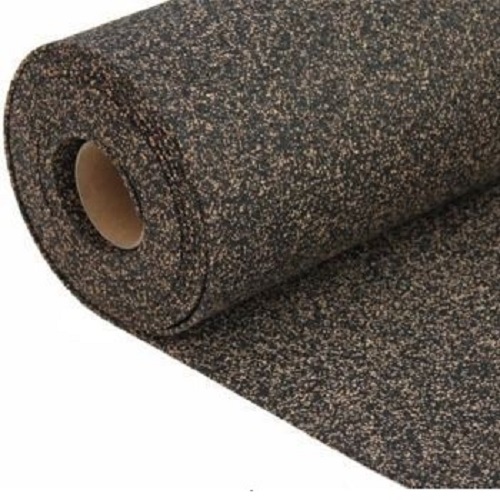
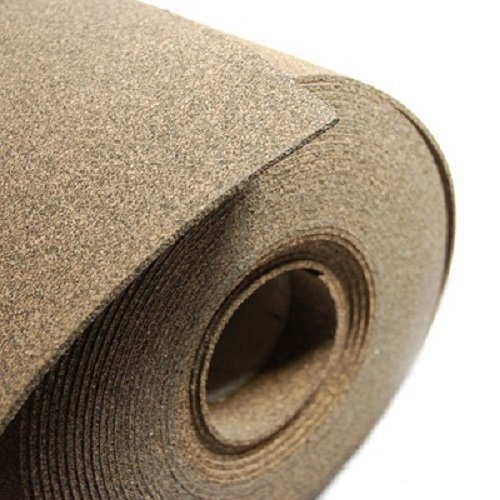
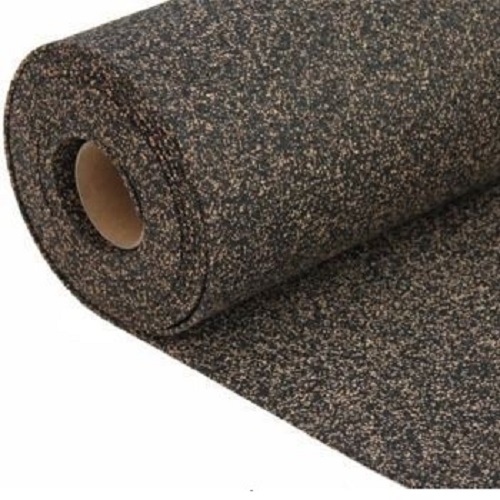
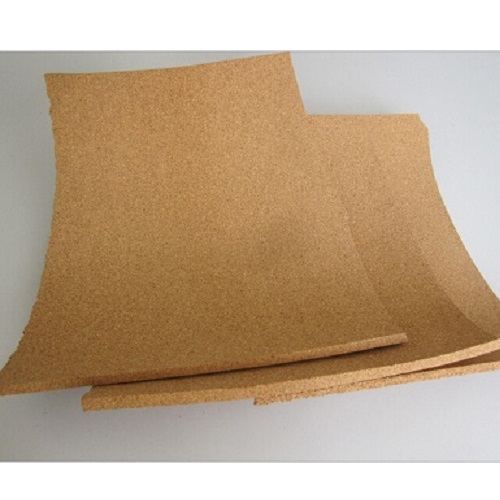
The durability of a Nitrile Rubber Bonded Cork Sheet starts with its composition. This material is a carefully engineered composite combining cork granules with nitrile rubber binders. Each component contributes specific performance attributes, and durability emerges from the balance between them. At Ningbo Kaxite Sealing Materials Co., Ltd, our formulation process focuses on optimizing this balance based on application requirements rather than using generic blends.
Cork provides compressibility, resilience, and natural vibration damping. Its cellular structure allows the material to adapt to surface irregularities, ensuring reliable sealing. Nitrile rubber, on the other hand, contributes oil resistance, tensile strength, and cohesion. When bonded correctly, the resulting composite exhibits properties that neither material could achieve alone. Our factory controls granule size distribution and rubber content to ensure uniform performance throughout each sheet.
Key compositional factors that define durability include:
Our production process ensures that the Nitrile Rubber Bonded Cork Sheet maintains stable performance even under cyclic loads. Ningbo Kaxite Sealing Materials Co., Ltd invests in controlled mixing and curing systems so that each batch reflects the same quality standards. This consistency is essential for long-term durability in industrial sealing applications.
Mechanical properties are direct indicators of how a sealing material behaves once installed. For a Nitrile Rubber Bonded Cork Sheet, durability is closely linked to its ability to withstand compression, resist extrusion, and recover after load removal. These behaviors are governed by compressive strength, recovery rate, tensile strength, and shear resistance.
In practical terms, a durable sealing sheet must maintain sufficient contact pressure without permanent deformation. Our testing data from our factory demonstrates that well-balanced mechanical properties prevent common failure modes such as creep, cracking, and leakage. Ningbo Kaxite Sealing Materials Co., Ltd designs each grade to match specific pressure ranges and flange conditions.
| Density | 0.9 to 1.2 g per cm3 |
| Compression at 400 psi | 7 to 17 percent |
| Recovery | 45 to 65 percent |
| Tensile Strength | 1.5 to 3.5 MPa |
| Shear Strength | Greater than 0.8 MPa |
These parameters translate into real-world durability. High recovery ensures that the Nitrile Rubber Bonded Cork Sheet continues sealing after pressure fluctuations. Adequate tensile and shear strength prevent tearing during installation and service. Our factory validates these values through batch testing to guarantee reliability. By aligning mechanical properties with application demands, Kaxite Sealing ensures that our materials provide long-term stability rather than short-term performance gains.
Durability cannot be separated from environmental resistance. Temperature extremes and chemical exposure are among the most common causes of sealing failure. A Nitrile Rubber Bonded Cork Sheet must retain elasticity and sealing pressure even when exposed to oils, fuels, coolants, and fluctuating temperatures.
Nitrile rubber is selected specifically for its resistance to petroleum-based fluids. When combined with cork, the composite maintains dimensional stability and sealing efficiency. At Ningbo Kaxite Sealing Materials Co., Ltd, we tailor rubber formulations to enhance resistance without sacrificing compressibility. Our factory routinely tests materials under simulated service conditions to verify long-term behavior.
| Operating Temperature Range | -40 to 120 degrees Celsius |
| Oil Resistance | Excellent against mineral oils and fuels |
| Coolant Resistance | Stable in water and glycol mixtures |
| Aging Resistance | Low property degradation after heat aging |
These properties ensure that the Nitrile Rubber Bonded Cork Sheet does not harden, crack, or lose sealing force over time. Our experience shows that durability is significantly enhanced when thermal and chemical resistance are addressed at the formulation stage rather than through post-processing.
Beyond composition and basic properties, structural characteristics play a decisive role in durability. The internal structure of a Nitrile Rubber Bonded Cork Sheet determines how stress is distributed across the sealing surface. Uniform cell structure and consistent bonding prevent localized failures that can compromise the entire seal.
At Ningbo Kaxite Sealing Materials Co., Ltd, our factory focuses on controlled curing and precision cutting to maintain structural integrity. This attention to detail ensures that our materials exhibit predictable behavior during installation and throughout their service life.
Key structural characteristics that enhance durability include:
These features allow the Nitrile Rubber Bonded Cork Sheet to maintain sealing performance even under vibration and thermal cycling. Our production philosophy emphasizes stability and repeatability, ensuring that every sheet meets the same durability standards.
Durability in sealing materials is the result of multiple interacting properties rather than a single performance metric. For a Nitrile Rubber Bonded Cork Sheet, long-term performance is defined by optimized composition, balanced mechanical properties, strong thermal and chemical resistance, and stable internal structure. Ningbo Kaxite Sealing Materials Co., Ltd integrates these factors into every stage of manufacturing, from raw material selection to final inspection in our factory.
By understanding these material properties, buyers can select sealing solutions that reduce maintenance costs and extend equipment service life. Our approach focuses on real-world performance, ensuring that our materials deliver consistent results across diverse industrial environments. If you are evaluating sealing materials for demanding applications, our technical team is ready to support your selection process. Contact us to discuss specifications, custom requirements, and reliable supply options that align with your operational goals.
Q1: What material properties most directly influence durability in bonded cork sheets?
Durability is mainly influenced by compressibility, recovery, tensile strength, oil resistance, and thermal stability, all of which determine how well the material maintains sealing performance over time.
Q2: How does nitrile rubber improve the performance of bonded cork materials?
Nitrile rubber enhances oil and fuel resistance, improves tensile strength, and provides cohesive bonding, allowing the composite to withstand mechanical and chemical stresses.
Q3: Why is recovery important for long-term sealing applications?
High recovery ensures that the material rebounds after compression, maintaining contact pressure and preventing leaks during pressure or temperature fluctuations.
Q4: Can bonded cork sheets maintain durability under continuous heat exposure?
Yes, when properly formulated, they retain elasticity and structural integrity within the specified temperature range, minimizing aging-related degradation.
Q5: How do manufacturing controls affect long-term durability?
Consistent mixing, curing, and quality testing ensure uniform structure and properties, reducing the risk of premature failure in service.