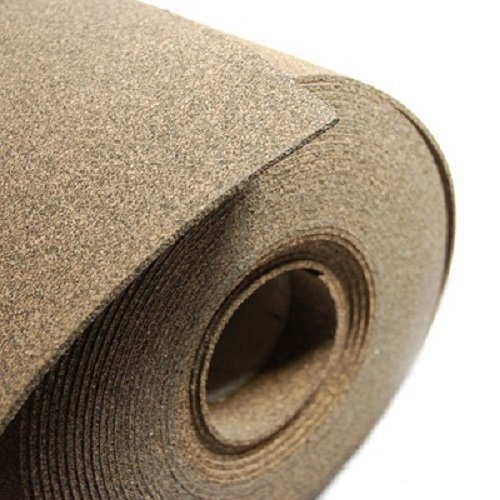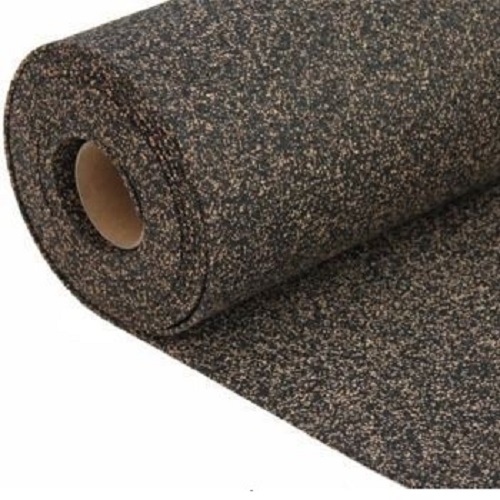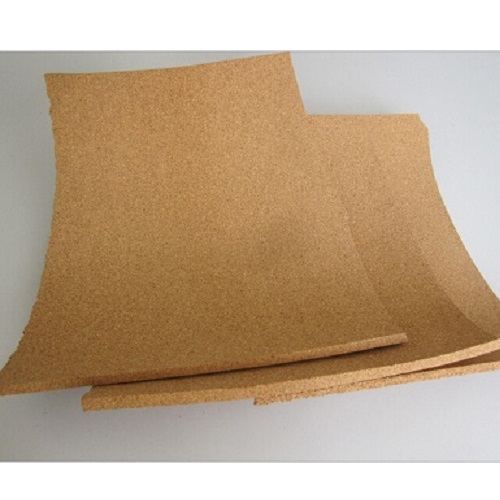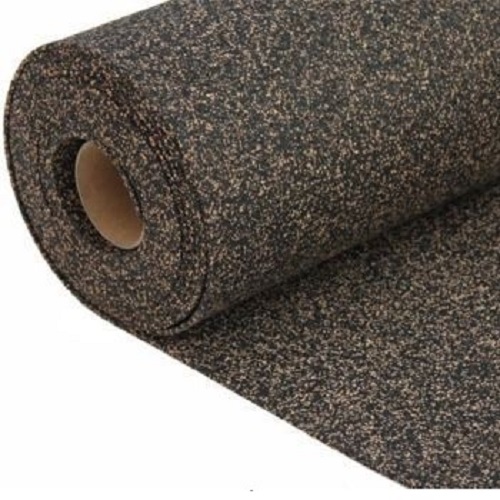

In the demanding world of industrial machinery and fluid systems, the selection of a gasket material is not merely a purchase—it’s a critical engineering decision with direct consequences for operational efficiency, safety, and total cost of ownership. For decades, one material has consistently demonstrated unparalleled versatility and reliability across a vast spectrum of conditions: cork rubber sheet. As a leading manufacturer with extensive experience, Ningbo Kaxite Sealing Materials Co., Ltd. has refined the production and application of this composite material to an art form. This article delves deep into the intrinsic properties, technical specifications, and practical advantages that cement cork rubber sheet's status as the premier choice for engineers and maintenance professionals worldwide.

Cork rubber sheet represents a pinnacle of composite material engineering, specifically designed to solve the persistent challenges of industrial sealing. At its core, it is a homogeneous sheet material manufactured by binding granulated natural cork with a synthetic rubber binder—typically nitrile rubber (NBR) or ethylene propylene diene monomer (EPDM)—under precisely controlled heat and pressure. This fusion creates a synergistic material that exhibits properties neither component possesses alone. The natural cork, harvested from the bark of the cork oak tree, provides a unique, honeycomb-like cellular structure filled with air. This structure is the source of cork's legendary compressibility, recovery, and low density.
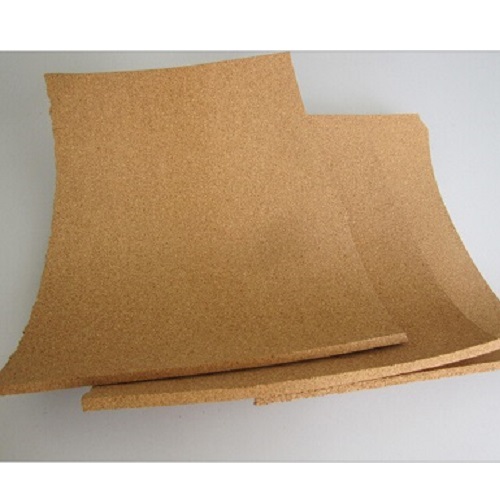
The synthetic rubber binder acts as a flexible, impermeable matrix, enveloping the cork granules to impart critical characteristics such as elasticity, tensile strength, and resistance to oils, fuels, and environmental factors. At Ningbo Kaxite Sealing Materials Co., Ltd., our engineering process transforms these raw materials into a consistent, high-performance sealing product. We begin with rigorous raw material qualification, sourcing premium cork granules with uniform particle size and selecting rubber compounds based on the target performance profile. The manufacturing is a multi-stage, controlled process that ensures every batch of our Cork Rubber Sheet delivers predictable and reliable performance in the field.
Our production of Cork Rubber Sheet is a testament to controlled, precision engineering. The process is designed to ensure homogeneity, consistent density, and optimal curing, which are critical for the material's sealing performance.
The exceptional performance of cork rubber sheet stems from the deliberate selection and combination of its two primary components. Understanding their individual and collective roles is key to appreciating the material's engineering.
| Component | Source & Key Characteristics | Primary Function within the Composite | Impact on Final Product Properties |
| Natural Cork Granules | Harvested from the bark of Quercus Suber oak. Structure consists of millions of sealed, air-filled cells (suberin). | Provides the compressible, recoverable backbone of the material. Acts as a natural filler and shock absorber. | Delivers low density, excellent conformability to uneven surfaces, thermal and acoustic insulation properties, and contributes to recovery from compression. |
| Synthetic Rubber Binder (e.g., NBR, EPDM) | Chemically engineered polymers. NBR offers oil resistance; EPDM offers weather/ozone/steam resistance. | Forms a continuous, flexible, and impermeable matrix that binds the cork particles together and seals the cellular structure. | Imparts fluid resistance, defines chemical compatibility, provides tensile strength and tear resistance, establishes the operational temperature range, and enhances overall durability. |
| Additives & Curatives | Specialized chemical compounds blended during mixing. | Facilitate processing, control curing rate (vulcanization), and enhance specific properties like aging resistance or color. | Ensures a consistent and manageable manufacturing process, optimizes the vulcanization for peak performance, and extends the service life of the final gasket. |
In our factory, we don't just produce a generic material; we engineer specific grades of Cork Rubber Sheet by meticulously controlling several key variables during production. This allows us to tailor the material for different industrial challenges.
Through this detailed, controlled engineering process at Ningbo Kaxite Sealing Materials Co., Ltd., we ensure that our Cork Rubber Sheet is not merely a commodity but a precision-engineered sealing solution. Each sheet embodies the synergistic combination of nature's ingenuity in cork and modern polymer science, resulting in a gasket material trusted for its reliability, versatility, and performance across global industries.
The superiority of cork rubber sheet lies fundamentally in its unique composite microstructure. This structure is not a simple laminate but a fully integrated matrix where millions of tiny, sealed cork cells are uniformly distributed and bonded within a continuous rubber phase. Each component plays a distinct, complementary role. The cork component is responsible for the material's exceptional compressibility. Under bolt load, the air-filled cork cells deform easily, allowing the gasket to conform perfectly to irregular or slightly damaged flange surfaces, creating an initial seal with relatively low seating stress. Crucially, the resilient nature of the cork cell walls provides excellent recovery; when the compressive force is cyclically reduced (due to temperature changes or vibration), the material tries to return to its original shape, maintaining seal tightness.
This recovery property directly combats the phenomenon of "cold flow" or creep common in plain rubber gaskets. Meanwhile, the rubber binder serves multiple vital functions. It acts as a flexible, impermeable skin that fills the voids between cork particles, granting the composite its resistance to fluids—both oils and water-based media. The rubber also provides tensile strength, tear resistance, and the overall elastic "spring-back" that complements cork's recovery. Furthermore, the choice of rubber type (e.g., NBR for oil resistance, EPDM for weather/ozone resistance) allows us at Ningbo Kaxite Sealing Materials Co., Ltd. to tailor the chemical compatibility of our Cork Rubber Sheet. This synergy creates a gasket that seals effectively on hard-to-seal surfaces, withstands dynamic operating conditions, and offers a broad service temperature range, typically from -40°C to +120°C, depending on the rubber grade. It is this intelligent design inherent in cork rubber sheet that makes it a forgiving, reliable, and long-lasting sealing solution.
| Property | Contribution of Cork Component | Contribution of Rubber Binder | Combined Effect in Cork Rubber Sheet |
| Compressibility | High, due to air-filled cellular structure. | Moderate elasticity. | Excellent conformability to uneven surfaces with low seating stress. |
| Recovery / Resilience | Good elastic rebound from cell walls. | Excellent elastic memory and tensile strength. | Superior resistance to cold flow and relaxation; maintains bolt load. |
| Fluid Resistance | Limited; porous if unbonded. | High; forms a continuous impermeable barrier. | Effective seal against oils, fuels, water, and mild chemicals. |
| Density & Weight | Very low (cork is lightweight). | Higher (rubber is denser). | Lightweight yet robust composite material. |
| Temperature Tolerance | Stable within moderate range. | Defines high and low-temperature limits. | Broad operational range (e.g., -40°C to +120°C with NBR). |
Selecting the correct gasket material requires a thorough understanding of its quantified performance parameters. Our Cork Rubber Sheet is characterized by a set of key physical and chemical properties that precisely define its capabilities and optimal application windows. These parameters are rigorously tested in our factory's laboratory to ensure they align with international standards such as ASTM F104 and DIN 7717. Density and hardness are primary indicators of the material's structural integrity and compressibility. A lower density sheet (e.g., 750 kg/m³) will be softer and more compressible, ideal for fragile flanges, while a higher density sheet (e.g., 1100 kg/m³) offers greater mechanical strength for high-pressure applications. Compression set percentage is arguably one of the most critical metrics for a gasket; it measures the material's ability to recover after prolonged compression.
Our advanced formulations aim for low compression set values, ensuring the gasket does not permanently deform and maintains a tight seal over time. Tensile strength and elongation at break indicate the material's toughness and ability to withstand handling and flange shear forces. Chemical resistance is dictated primarily by the type of rubber binder used. For instance, our standard nitrile-based Cork Rubber Sheet exhibits excellent resistance to oils, fuels, and aliphatic hydrocarbons, making it a staple in automotive and machinery applications. For outdoor or HVAC applications requiring resistance to weathering, ozone, and steam, we utilize EPDM rubber. Understanding these parameters allows engineers to match the material precisely to the service conditions—media, pressure, temperature, and flange type—thereby ensuring sealing success and maximizing service life.
| Parameter (Test Standard) | Standard NBR-Cork Grade | High-Density NBR-Cork Grade | EPDM-Cork Grade (Weather Resistant) |
| Density (ASTM D792) | 850 - 950 kg/m³ | 1000 - 1100 kg/m³ | 850 - 950 kg/m³ |
| Hardness (Shore A) (ASTM D2240) | 65 - 75 | 75 - 85 | 65 - 75 |
| Compression Set, 22h @ 100°C (ASTM D395) | ≤ 35% | ≤ 30% | ≤ 40% |
| Tensile Strength (ASTM D412) | Min. 5.0 MPa | Min. 6.5 MPa | Min. 4.5 MPa |
| Elongation at Break (ASTM D412) | Min. 60% | Min. 50% | Min. 70% |
| Fluid Resistance (Volume Swell) | Excellent resistance to oils, fuels. | Excellent resistance to oils, fuels. | Excellent resistance to water, steam, weather. |
| Temperature Range | -40°C to +120°C | -30°C to +110°C | -50°C to +150°C (intermittent) |
The application landscape for cork rubber sheet is vast, testament to its adaptability. Its benefits solve persistent sealing problems across industries. In the automotive and transportation sector, it is the material of choice for engine sump gaskets, timing covers, oil pans, and gearbox seals. Here, its resilience to engine vibration, excellent sealing against hot and cold oils, and ability to conform to cast metal surfaces reduce warranty claims and maintenance downtime. The general industrial machinery sector relies on it for pump housings, compressor covers, gearboxes, and hydraulic system flanges. In these applications, the composite's resistance to compression set ensures a lasting seal despite thermal cycles, while its chemical compatibility protects against lubricant and coolant leaks. Within the electrical enclosure industry, cork rubber sheet is prized for creating watertight, dust-tight, and EMI/RFI shielding gaskets on cabinet doors and access panels. Its compressibility ensures a tight seal even on painted or slightly warped surfaces, protecting sensitive electronics.
The marine industry utilizes it for hatch seals, engine compartment gaskets, and deck fittings, where resistance to saltwater, weathering, and ozone is paramount—a need met by our specially formulated EPDM-cork grades. Furthermore, in plumbing, HVAC, and renewable energy systems (like biomass boilers), it seals flanges in piping, heat exchangers, and access doors, handling hot water, mild steam, and atmospheric exposure. For every sector, the core value propositions of cork rubber sheet remain: reduced installation torque requirements, forgiveness on flange finish, reliable long-term performance, and cost-effectiveness through extended service intervals. Ningbo Kaxite Sealing Materials Co., Ltd. works closely with OEMs and distributors in these fields to provide customized Cork Rubber Sheet solutions that address their unique challenges.
Maximizing the service life and sealing reliability of a cork rubber sheet gasket requires a disciplined, knowledge-based approach encompassing three critical phases: correct material selection, precise installation, and proactive maintenance. Even the highest quality gasket material, like our engineered Cork Rubber Sheet, will underperform if these steps are neglected. This guide provides a detailed framework to ensure your sealing applications achieve leak-free, long-term performance.
Selection is the foundational step. A mismatch between gasket properties and service conditions is the primary cause of premature failure. Follow this decision-making checklist:
| Selection Factor | Key Question | Guideline for Cork Rubber Sheet |
| Chemical Compatibility | What fluid will contact the gasket? | Use NBR-based cork for hydrocarbons (oil, fuel). Use EPDM-based cork for water, steam, glycol, weathering. |
| Temperature | What is the min/max operating temperature? | Stay within the binder's rated range. Avoid prolonged exposure at upper limits to prevent hardening. |
| Pressure | What is the system pressure? | Ideal for low-medium pressure. For higher pressures, select a higher-density grade and ensure robust flange design. |
| Flange Surface | Is the surface smooth or rough? | Rough surfaces require softer, thicker sheets (e.g., 3mm, 65-75 Shore A). Smooth surfaces can use harder, thinner sheets. |
| Bolt Load | Can adequate bolt load be applied? | Cork rubber requires lower seating stress than many gaskets, but sufficient load is needed to compress it 25-30%. |
Proper installation is non-negotiable. Even a perfectly selected gasket can fail if installed incorrectly.
Cork rubber gaskets are durable but are consumable components. A proactive maintenance strategy prevents unplanned downtime.
By adhering to this comprehensive selection, installation, and maintenance framework, you leverage the full engineered potential of our Cork Rubber Sheet. This systematic approach, championed by our technical support team at Ningbo Kaxite Sealing Materials Co., Ltd., transforms a simple sealing component into a reliable, long-term asset for your industrial operations.
Cork rubber sheet stands as a testament to engineered material excellence, offering a balanced combination of compressibility, resilience, chemical resistance, and durability that is unmatched by many homogeneous materials. Its composite nature allows it to solve complex sealing challenges across automotive, industrial, electrical, and marine applications with remarkable consistency. At Ningbo Kaxite Sealing Materials Co., Ltd., our commitment is to produce Cork Rubber Sheet that not only meets but exceeds the expectations embedded in these parameters. We understand that behind every gasket is a system that must operate reliably, and our manufacturing philosophy is built on supporting that imperative. By choosing the right grade and following proper installation procedures, engineers and maintenance teams can leverage the full potential of this versatile material to enhance operational integrity and reduce lifecycle costs.
Ready to specify the ideal gasket material for your application? Contact Ningbo Kaxite Sealing Materials Co., Ltd. today. Our technical team can provide detailed data sheets, custom samples, and expert guidance to help you select the perfect Cork Rubber Sheet for your specific pressure, temperature, and media requirements. Let our experience seal your success.
Cork rubber sheet, particularly grades bonded with nitrile rubber (NBR), possesses excellent resistance to oils, fuels, and greases. The rubber binder forms a continuous, impermeable matrix that prevents these fluids from penetrating and degrading the cork cells, making it an ideal seal for engine sumps, gearboxes, and hydraulic systems.
The composite structure provides a broad operational temperature range. The rubber binder (e.g., NBR, EPDM) defines the high and low-temperature limits, offering flexibility at cold temperatures and resistance to softening at elevated temperatures. The cork's cellular structure provides thermal insulation and aids in recovery during thermal cycling, helping to maintain the seal.
While not typically a primary choice for very high-pressure static seals (e.g., >200 psi/14 bar), higher-density grades of cork rubber sheet can perform well in moderate pressure applications common in general industry. Its true strength lies in sealing low to medium-pressure flanges, especially where surface imperfections or vibration are present.
The key advantage is its much higher compressibility and recovery (lower compression set). Solid rubber can exhibit cold flow and permanent deformation under bolt load, leading to seal loss. Cork rubber compresses easily to conform to surfaces and springs back more effectively, maintaining bolt load and seal integrity over time, especially on uneven flanges.
Selection is based on application conditions. For oil/fuel resistance, choose an NBR-based grade. For outdoor, weathering, or hot water/steam applications, an EPDM-based grade is superior. Consider density: lower density for better compressibility on fragile flanges, higher density for greater mechanical strength and extrusion resistance. Always consult the manufacturer's chemical resistance and temperature charts.